Extreme wide shot (Establishing shot)
The view is so far from the subject that it isn't even visible. Often used at the start of filming, tells you the location and time.
Long shot
Introduce the character with elements and features. The character should be taking full frame with the background still comfortably seen.
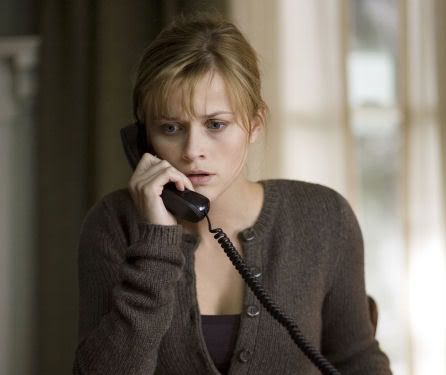
Mid shot
Shot above waist height of the character which allows to show his/her facial expressions and a chance to get to know him.
Close up
Engages the audience mainly to the character as a certain feature or part of the character takes up the whole frame.
Extreme close up
It gets in extreme detail and the emotions of the character is quite intense. Also creates intensity in audience.
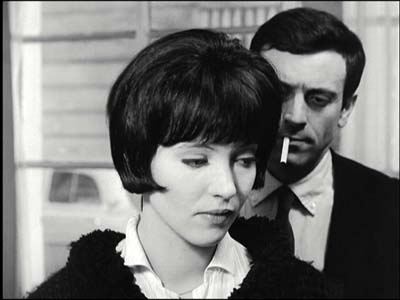
Two shot
It is a shot taken where two subjects are framed. The subjects don't have to be close to each other. There are common two shots taken with one character(subject) in the foreground and one in the background.
Point of view shot
It is shot from the view of one character to the other character who is shown in the screen.
Match on action
It is when an action is briefed in two shots.
More advanced shots
Tracking shot
It is when the camera is put on a trolley. We often do the tracking shot sideways to keep track with the character.
Tilt shot
It is shot vertically to show the full figure of the character.
Zoom
It is used as an alternative for the tracking shot.
Crane shot
It is the shot taken with the help of a crane. It is often shot overhead to show the view from the top.
Arc shot
This shot when taken goes in a semi- circle or a circle around the character. Often creates intensity.
Panning shot
It is when a camera is placed in a tripod and move steadily in the track of the character.
The 180 degree rule
It is the basic rule that states two characters in the same scene should always have the same left/right positions to each other throughout the scene. There is an imaginary line that divides the sides and if the camera passes over it which connects the two subjects, it is called crossing the line. The new shot, from the opposite side, is known as a reverse angle.
Things you may want to care about when filming:
- Try to have your camera at eye-level
- Steady the camera while performing the moving shot
- Careful with the zooming
- Make sure you leave the time for transaction
- Make sure there is no lighting source behind the character.






No comments:
Post a Comment